AI Hallucination ಅಂದ್ರೆ ಏನು? AI ಯಾಕೆ ಕೆಲವೊಮ್ಮೆ ತಪ್ಪು ಮಾಹಿತಿ ಕೊಡುತ್ತದೆ? (2026 Guide)
Introduction
Artificial Intelligence systems ಇಂದು smart conversations, content generation ಮತ್ತು automation ನಲ್ಲಿ powerful capabilities provide ಮಾಡುತ್ತಿವೆ. Tools powered by advanced AI models like ChatGPT user questions answer ಮಾಡಿ logical-looking responses generate ಮಾಡುತ್ತಿವೆ.
However, sometimes AI systems completely incorrect ಅಥವಾ fake information confident ಆಗಿ generate ಮಾಡುತ್ತವೆ.
ಈ phenomenon ಅನ್ನು AI hallucination ಎಂದು ಕರೆಯಲಾಗುತ್ತದೆ.
Many users assume AI always correct answers ಕೊಡುತ್ತದೆ. But actually AI systems sometimes:
- false facts generate ಮಾಡಬಹುದು
- fake references create ಮಾಡಬಹುದು
- incorrect explanations ನೀಡಬಹುದು
- imaginary information produce ಮಾಡಬಹುದು
This creates important discussions about AI reliability and accuracy.
ಈ article ನಲ್ಲಿ ನಾವು ತಿಳಿಯೋದು:
- AI hallucination ಎಂದರೇನು
- AI ಯಾಕೆ ತಪ್ಪು ಮಾಹಿತಿ generate ಮಾಡುತ್ತದೆ
- Real-world examples
- Risks of hallucinated AI outputs
- How to use AI more safely
What is AI Hallucination?
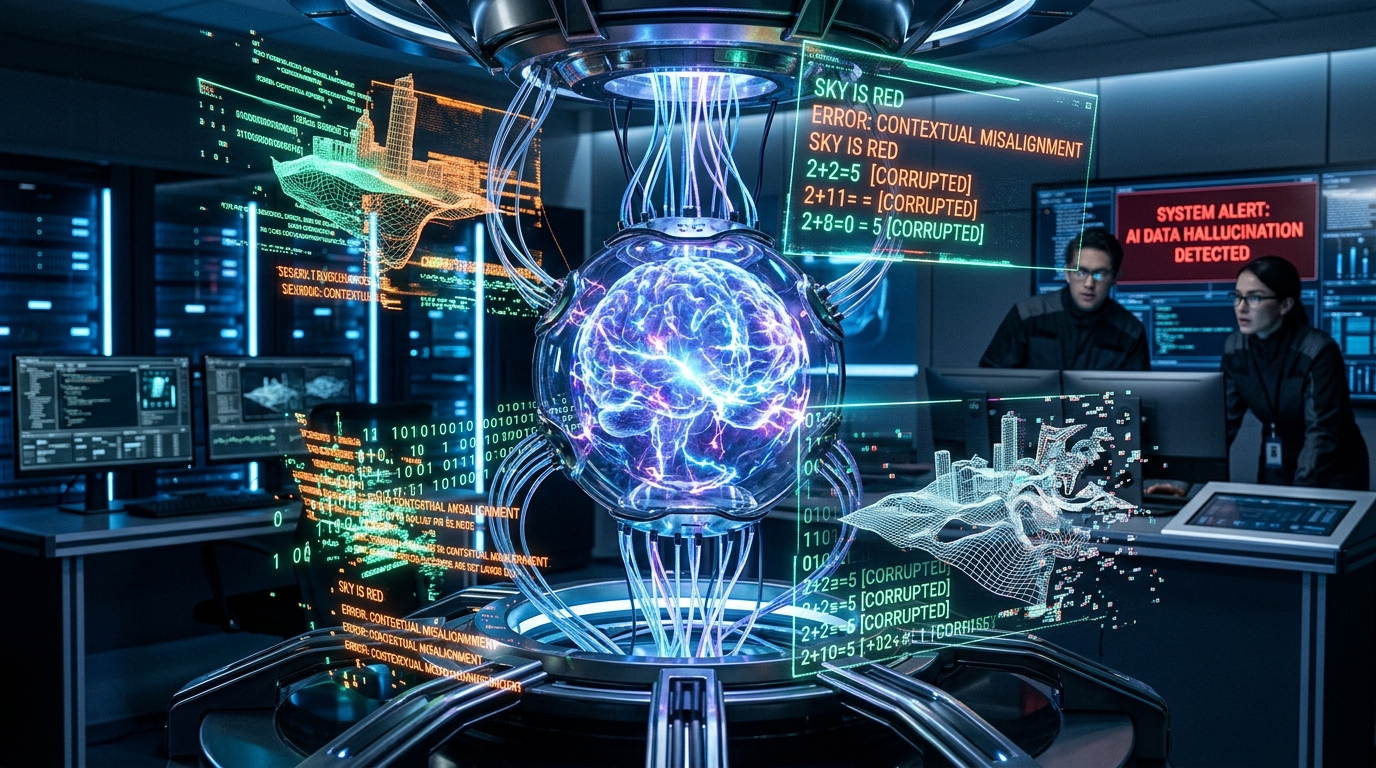
AI hallucination ಅಂದ್ರೆ Artificial Intelligence systems incorrect, misleading ಅಥವಾ imaginary information generate ಮಾಡುವ situation ಆಗಿದೆ.
In simple terms, AI systems sometimes:
- facts invent ಮಾಡುತ್ತವೆ
- wrong answers generate ಮಾಡುತ್ತವೆ
- fake sources create ಮಾಡುತ್ತವೆ
- inaccurate information confident tone ನಲ್ಲಿ ಹೇಳುತ್ತವೆ
Even though response sounds intelligent, information actually incorrect ಆಗಿರಬಹುದು.
Related article:
AI Reasoning Explained
AI ಯಾಕೆ ಕೆಲವೊಮ್ಮೆ ತಪ್ಪು ಮಾಹಿತಿ ಕೊಡುತ್ತದೆ?
Modern AI systems human-like conversations generate ಮಾಡುತ್ತವೆ, but they do not truly “understand” information like humans.
Instead, AI systems mainly:
- patterns analyze ಮಾಡುತ್ತವೆ
- probabilities calculate ಮಾಡುತ್ತವೆ
- likely responses predict ಮಾಡುತ್ತವೆ
Because of this, systems sometimes incorrect patterns combine ಮಾಡಿ false outputs generate ಮಾಡಬಹುದು.
How AI Hallucination Happens
Modern AI models usually several reasonsಗಳಿಂದ hallucinations generate ಮಾಡುತ್ತವೆ.
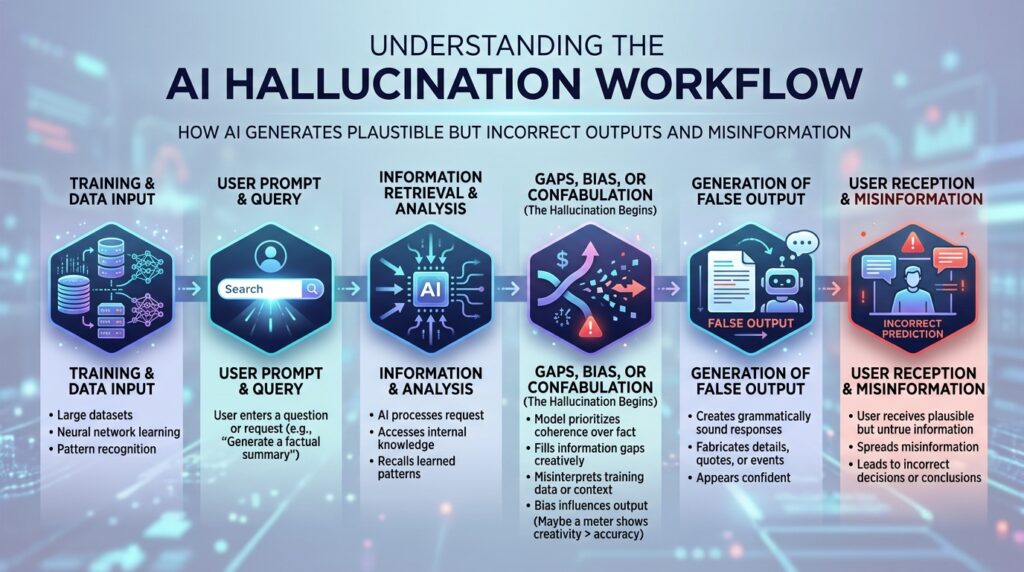
Step 1: Incomplete Training Data
If training data incomplete ಅಥವಾ inaccurate ಆಗಿದ್ದರೆ AI weak outputs generate ಮಾಡಬಹುದು.
Step 2: Probability-Based Predictions
AI systems best probable answer predict ಮಾಡುತ್ತವೆ.
Sometimes predicted output factually wrong ಆಗಿರಬಹುದು.
Step 3: Lack of Real Understanding
AI systems patterns recognize ಮಾಡುತ್ತವೆ, but real-world understanding limited ಆಗಿರುತ್ತದೆ.
Step 4: Complex Questions
Very technical or unclear questions AI confusion create ಮಾಡಬಹುದು.
This increases incorrect answer probability.
You can explore modern AI systems from OpenAI here:
https://openai.com/chatgpt/
Real-World Examples of AI Hallucination
Fake References
AI systems sometimes non-existent books, articles ಅಥವಾ research papers create ಮಾಡಬಹುದು.
Incorrect Historical Facts
Wrong dates, events ಅಥವಾ names generate ಮಾಡುವ possibility ಇರುತ್ತದೆ.
False Legal Information
AI-generated legal advice sometimes inaccurate ಆಗಿರಬಹುದು.
Medical Errors
Healthcare-related AI outputs incorrect recommendations ನೀಡುವ risk ಇರುತ್ತದೆ.
This is why verification important.
Also read:
Human Judgment vs AI Explained
Why AI Hallucination is Dangerous
Incorrect AI outputs several risks create ಮಾಡಬಹುದು.
Misinformation Spread
False information users confuse ಮಾಡಬಹುದು.
Financial Risks
Wrong investment advice losses create ಮಾಡಬಹುದು.
Healthcare Problems
Medical misinformation dangerous ಆಗಬಹುದು.
Trust Issues
Users AI systems reliability ಮೇಲೆ trust lose ಮಾಡಬಹುದು.
This is why responsible AI usage important.
Can AI Hallucination Be Reduced?
Experts AI hallucinations completely eliminate ಮಾಡುವುದು difficult ಅಂತ believe ಮಾಡುತ್ತಾರೆ, but reduction possible.
Several methods help improve accuracy.
Better Training Data
Higher-quality data improves AI reliability.
Human Verification
Important outputs humans review ಮಾಡಬೇಕು.
Context Improvement
Clear prompts reduce confusion.
Advanced AI Models
Future AI systems more accurate reasoning develop ಮಾಡಬಹುದು.
Recommended guide:
AI Ethics Explained
How Users Can Avoid AI Mistakes
Smart users AI-generated information blindly trust ಮಾಡೋದಿಲ್ಲ.
Instead, they:
- cross-check facts
- verify sources
- use trusted references
- apply human judgment
This creates safer AI usage.
Future of AI Accuracy
Future AI systems likely become more accurate because companies are improving:
- reasoning systems
- contextual understanding
- fact-checking methods
- training quality
However, even advanced systems may still occasionally generate incorrect outputs.
That’s why human supervision likely remain important.
Why Smart Professionals Use AI Carefully
Successful professionals AI ಅನ್ನು assistant ಆಗಿ use ಮಾಡುತ್ತಾರೆ, not final authority.
AI helps in:
- productivity
- research
- brainstorming
- automation
But important decisions still require human expertise.
Best results usually come from:
AI intelligence + human verification.
Modern businesses now consider AI hallucination awareness as important part of responsible AI usage.
Conclusion
AI hallucination modern Artificial Intelligence systems ನಲ್ಲಿ important challenge ಆಗಿದೆ.
AI systems sometimes confident-looking but incorrect information generate ಮಾಡಬಹುದು because they mainly depend on:
- data patterns
- probability predictions
- training quality
This means users should always combine:
- AI assistance
- fact verification
- human judgment
- trusted sources
for safer and smarter AI usage.
As AI technology evolves, reducing hallucinations likely become major focus area for future AI development.
Frequently Asked Questions
What is AI hallucination?
AI hallucination ಅಂದ್ರೆ AI systems false or incorrect information generate ಮಾಡುವ situation.
Why does AI generate wrong information?
AI systems patterns and probability predictions use ಮಾಡುವುದರಿಂದ sometimes inaccurate outputs generate ಮಾಡಬಹುದು.
Can AI hallucinations be prevented completely?
Currently difficult, but better models and human verification can reduce hallucinations significantly.
Creator Quick Use Section
Video Title
AI Hallucination Explained in Kannada
Hook Line
AI ಕೆಲವೊಮ್ಮೆ confident ಆಗಿ ತಪ್ಪು ಹೇಳುವುದೇಕೆ?
Thumbnail Text
AI Hallucination
Content Idea
Explain why AI generates false information and how users can stay safe.